

Clarity
Aurora Borealis: A non-expert’s opinions
By Judy Green

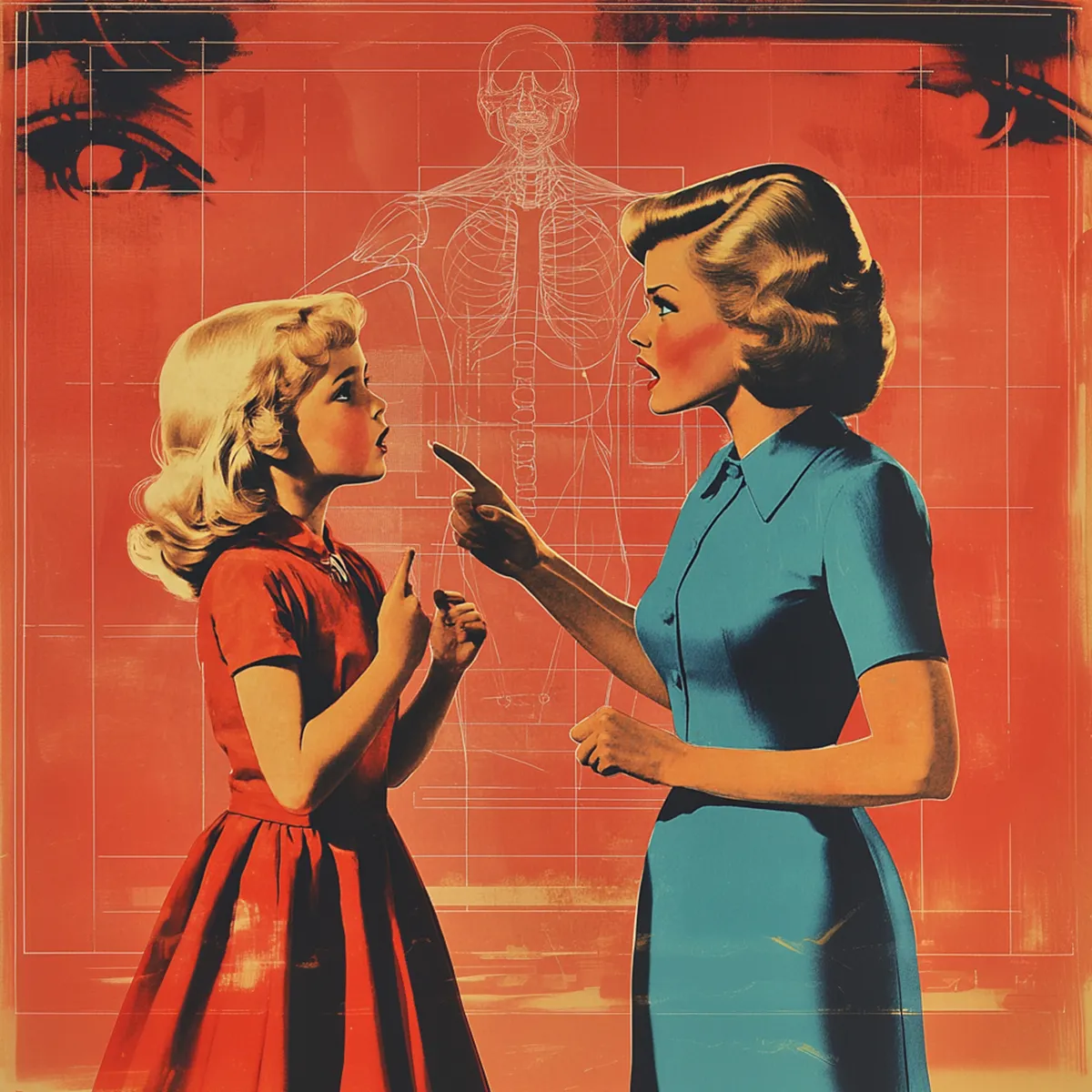
Aurora Borealis: A female body part.
My first opinion was that aurora borealis referred to a female body part. This idea was confirmed when my mother told me “Never use this word in public!”

Aurora Borealis: A sophisticated boar.
I didn’t grow up on a farm, but my father’s side of the family did, both in Wisconsin and in Sweden, so of course there was a lot of talk about animals. A little research on my end showed that certain species of boars lived in matriarchal societies and that male boars became “serious pests” in America. How could this be wrong!

Aurora Borealis: A modern version of Aurora Leigh, the famous novel in blank verse by Elizabeth Barrett Browning.
Alas, there seems to be no novel written after 1856 that picks up the story of the making of a woman poet, exploring “the woman question,” art and its relation to politics and social oppression. Lots of polemics, hyperbole, and op-eds, but nothing in blank verse. Dashed hopes.

Aurora Borealis: In the end I opted for aurora borealis as a call to action.
Something to look for in the skies of northern Wisconsin even though you would rarely see it and if you did, it was frightening, or at least mysterious and life-changing.
This is somewhat closer to what the dictionary experts say.
Aurora Borealis (the Northern Lights) appear in a clear night sky as swirling rivers of greenish-blue light. They move and dance unpredictably; sometimes barely perceptible, then suddenly growing vivid. In simple terms, the auroras can be explained as an interaction of the solar wind and the earth’s magnetic field. The southern version of Aurora Borealis is Aurora Australis.