

Body Parts
Expert Opinion
Strabismus and Wandering Eye

Medical: Strabismus is a medical condition where one eye is not aligned with the other, causing it to drift off focus.

Literary: Wandering eye is a literary term describing someone who frequently looks at other people, often in a sexually suggestive way. A wandering eye implies a lack of focus or loyalty and can be considered disrespectful or inappropriate.

“The ear tends to be lazy, crave the familiar and is shocked by the unexpected; the eye, on the other hand, tends to be impatient, craves the novel and is bored by repetition.”

“I have a wandering eye and a lazy eye so they cancel each other out. It’s a push.”

“When I meet a new person, something has to be a little off for me to consider them beautiful. It can be crooked teeth, or veins in their skin that are a little too visible, or a dramatic lazy eye. The first guy I ever kissed had a water head.”
Torticollis, Woodpeckers, and Wry Neck

Medical: Torticollis is a medical condition that exhibits a twisting of the neck that causes the head to rotate and tilt at an odd angle. Or, in ornithology, two Old World woodpeckers that differ from typical woodpeckers in having soft tail feathers and a peculiar manner of writhing the neck.
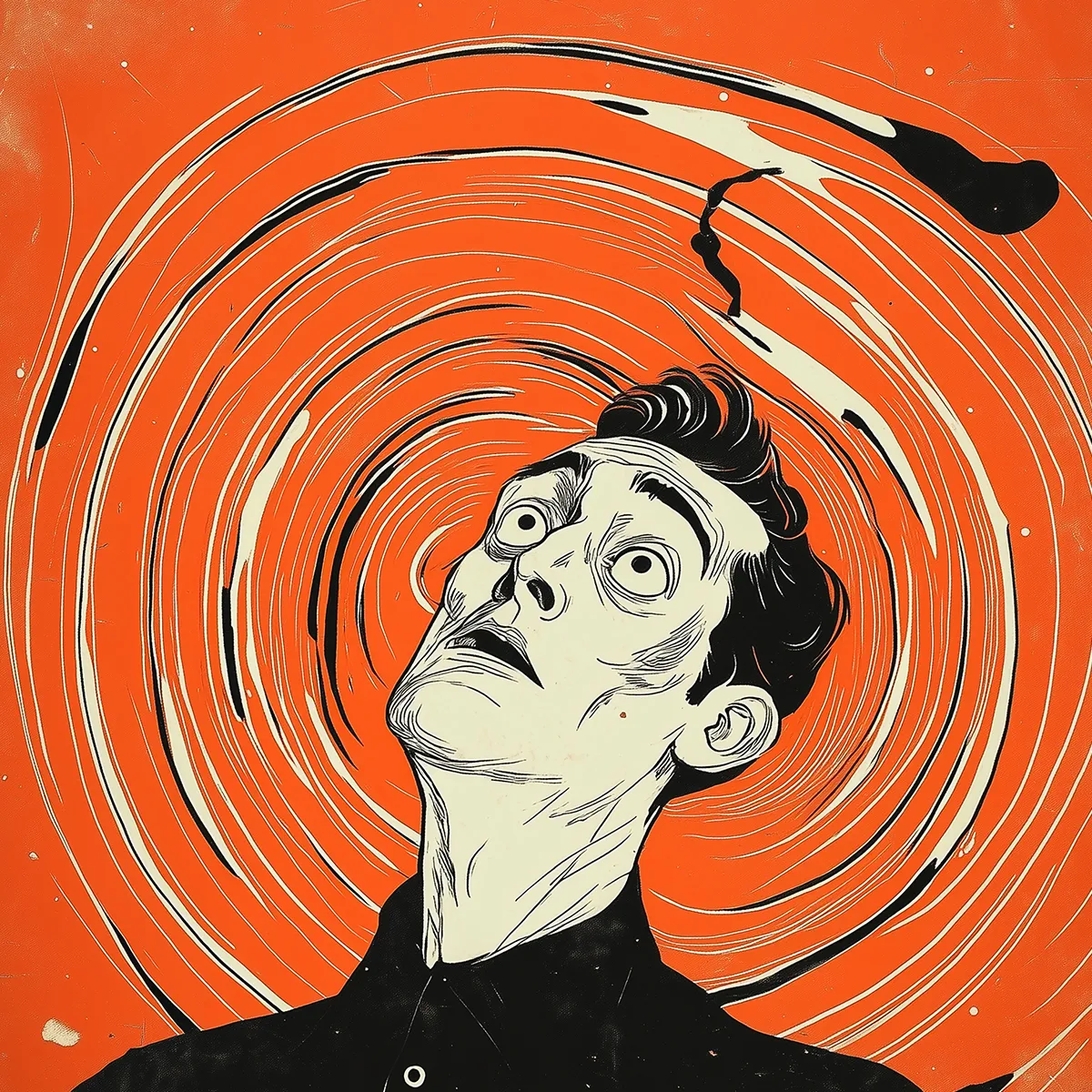
Literary: Wry neck refers to a metaphorical expression signifying a twisted or distorted perspective or critical view. The term is often used to describe a character’s attitude of skepticism, cynicism, or a mocking way of looking at a situation.

“Wit, wit! I look upon it always as a draught of air; it cools indeed, but one gets a stiff neck from it.”

“And as for the human mind, I deny that it is the same in all men. I hold that there is every variety of natural capacity from the idiot to Newton and Shakespeare; the mass of mankind, midway between these extremes, being blockheads of different degrees; education leaving them pretty nearly as it found them, with this single difference, that it gives a fixed direction to their stupidity, a sort of incurable wry neck to the thing they call their understanding.”

“And the vile squealing of the wry-neck’d fife.” (The Merchant of Venice)
Luxating Patella and Trick Knee
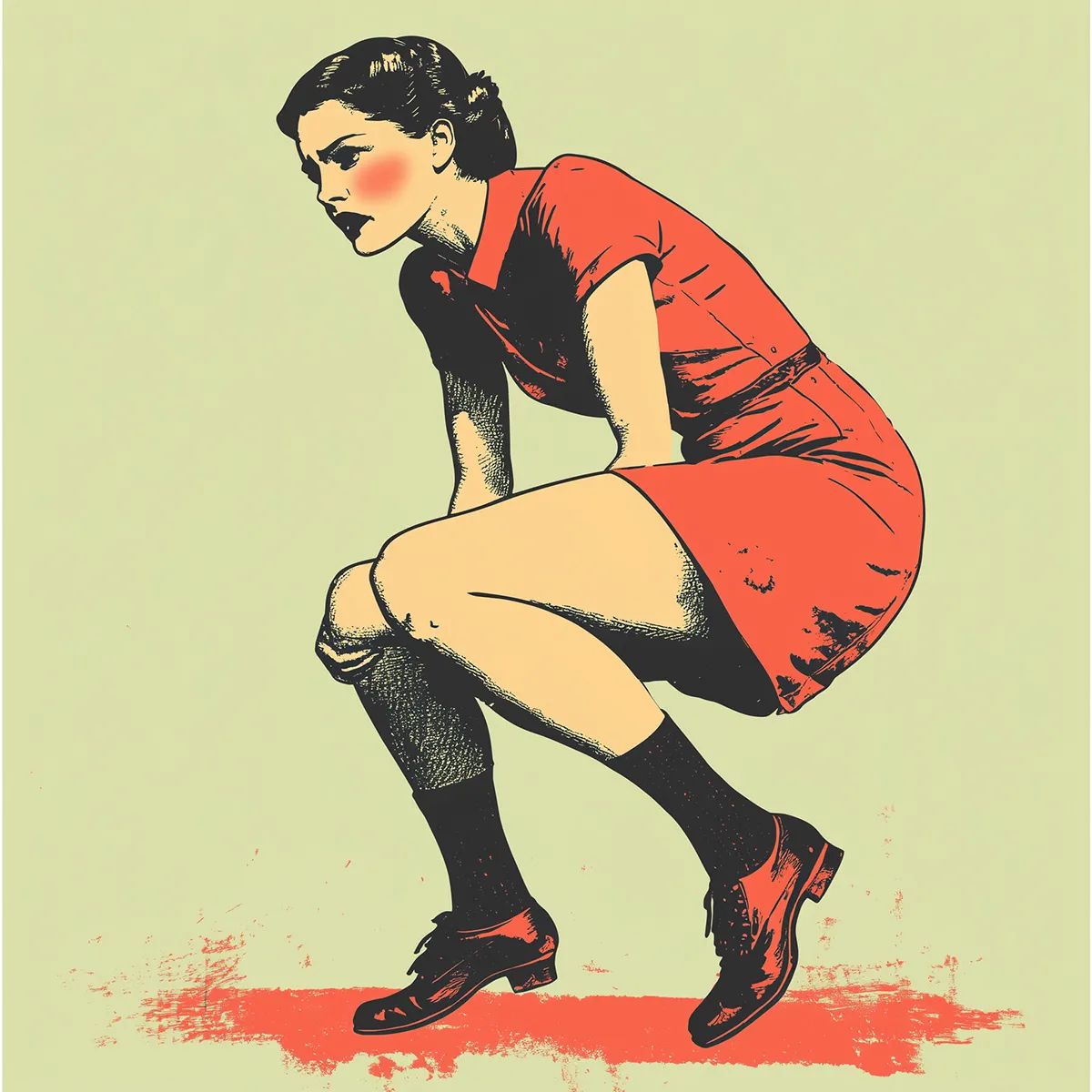
Medical: Luxating Patella is a medical condition in which a kneecap spontaneously gives way or collapses, moving out of its normal position, causing stiffness and instability. It is most often seen in aging populations.

Literary: Trick knee is a metaphorical reference to a physical flaw, often representing a hidden vulnerability or weakness in a character. It signifies a potential for sudden failure or instability.
“My mother-in-law had a pain beneath her left breast. Turned out to be a trick knee.”

“…walking on a very thin layer of ice.” (Holden Caulfield in The Catcher in the Rye)
Ankle Sprain and Twisted Ankle
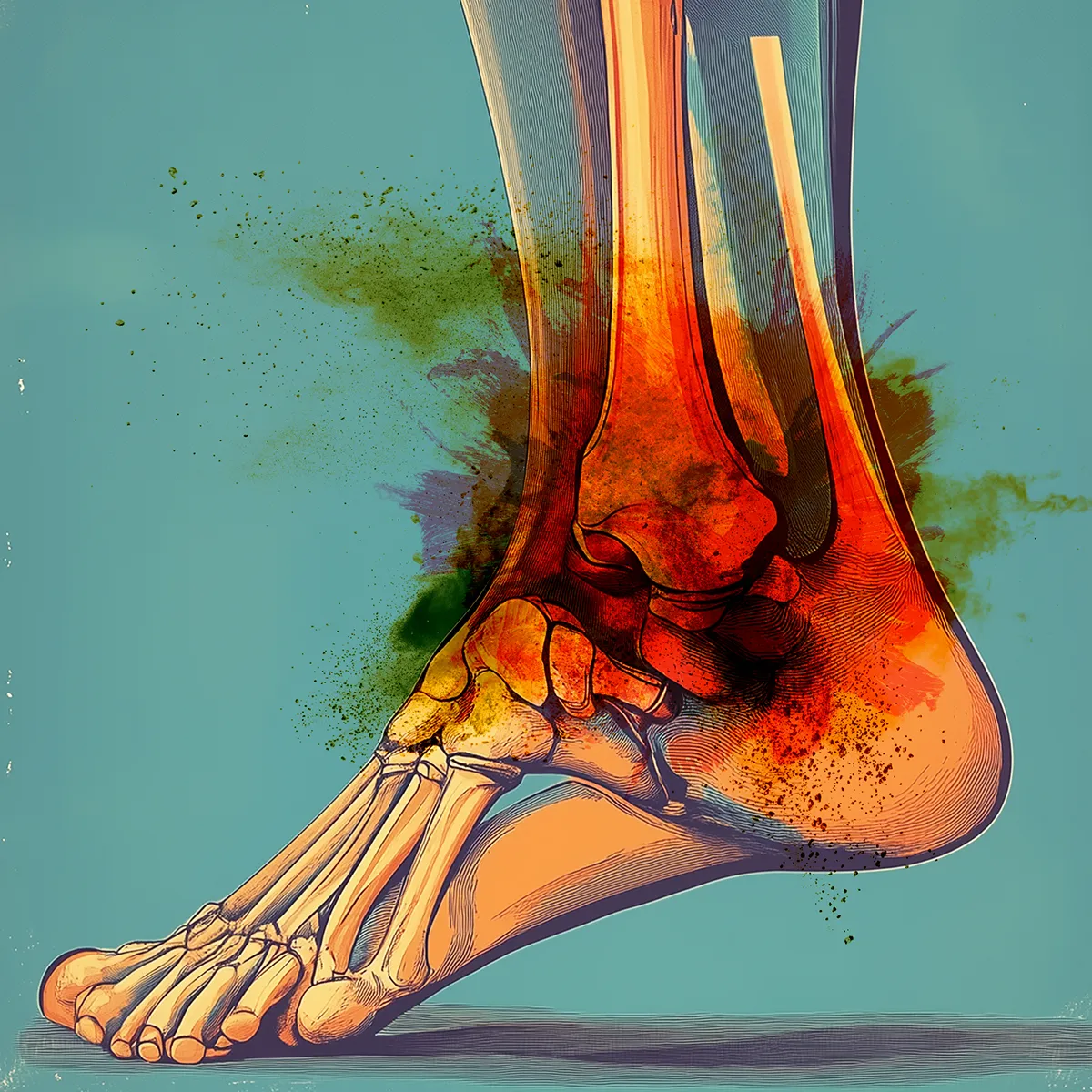
Medical: Ankle Sprain is a medical condition that occurs when the ligaments in the ankle are stretched or torn beyond their limits. An analogy is a wishbone with a sheet of Saranwrap between the two parts of the bone. An ankle sprain is a “tear in the Saran wrap.”

Literary: “While out for a walk Marianne gets caught in the rain, slips and sprains her ankle. The dashing John Willoughby sees the accident and assists here, picking her up and carrying her back home.” (Sense and Sensibility by Jane Austin)
“He was trying to decide which of the two countries she belonged to…but quite suddenly the curved mouth ceased smiling as her foot seemed to catch in a break in the pavement. …She bit her lip and clutched his shoulder very hard … I have twisted my ankle…Thank you for saving me, I should have had a bad fall. (The Lost Prince by Frances Hodgson Burnett)

“Give a girl the right shoes, and she can conquer the world.”

“Of course she sprained her ankle. She was wearing High Heels.”