


or the past few years, I’ve had idle thoughts on the use of the word “novel” in medicine. I’ve wondered how, or if, Novel Therapies were related to literary concepts of a novel. Like any good citizen of the 21st century, I looked to AI for some expert opinion. Here’s what I found.

Novel therapy refers to a new or innovative treatment approach that has not been previously used or is significantly different from existing therapies. It encompasses treatments that:
- Utilize new mechanisms of action
- Incorporate innovative technologies
- Personalize treatment
- Combine exiting treatments in novel ways
Novel therapies are typically still under development and may be undergoing clinical trials to evaluate their safety, efficacy, and tolerability.
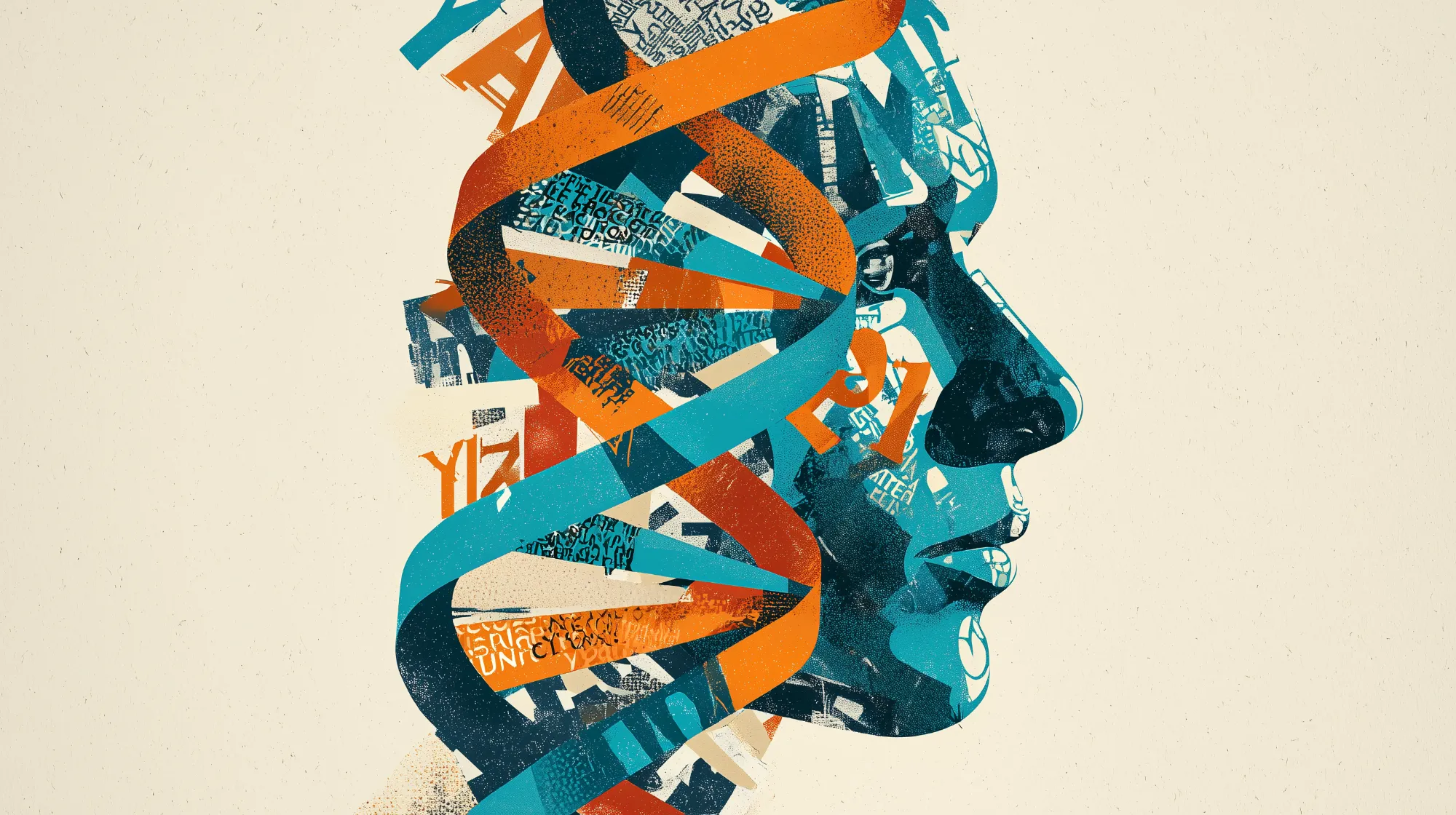
A novel is a long, fictional prose narrative that typically involves complex plots, develops characters, and explores thematic ideas. It encompasses concepts and forms like:
- Prose Fiction
- Narrative
- Character Development
- Themes and Idea
Similar to novel therapies, literary novels are constantly under development in “clinical trials” with editors, publishers, and the authors themselves. Like medical novel therapies, literary novels can advance human sensibilities, experience, and sometimes extend longevity.
I thought I would take this train of “idle thought” one step further with two illustrations.
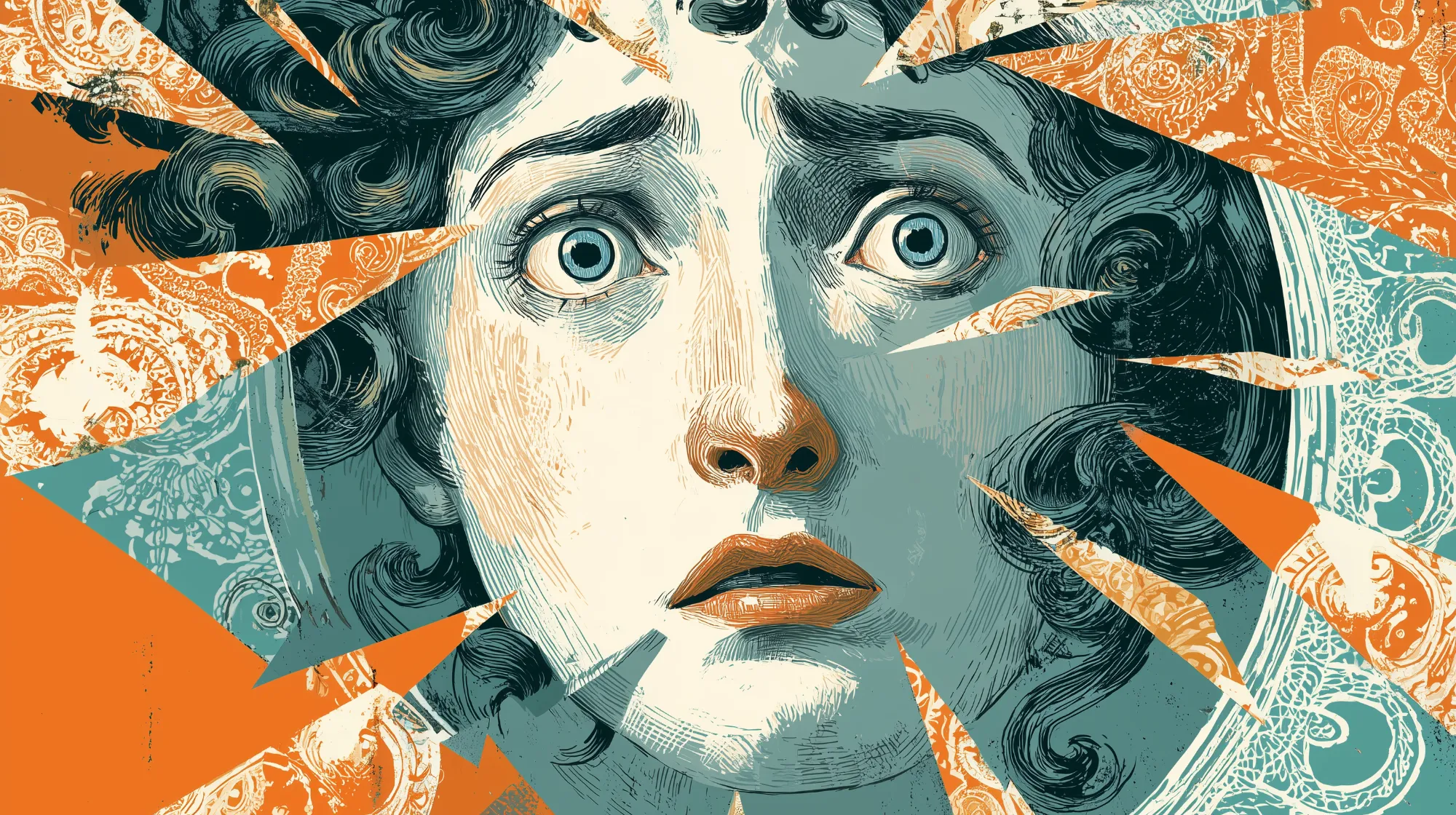
From the McGill University Office for Science and Society: Separating Sense from Nonsense
Today, when we say someone is hysterical, we mean that they are frenzied, frantic, or out of control. Until 1980, however, hysteria was a formally studied psychological disorder that could be found in the American Psychiatric Association’s Diagnostic and Statistical Manual of Mental Disorders.
Before classification as a mental disorder, hysteria was considered a physical ailment (1880). Even earlier, hysteria was thoroughly described in ancient Egyptian and Greek societies.
Although I will not give away the exciting ending of Hysteria, which starred Hugh Dancy, Maggie Gyllenhaal, and Rupert Everett, I will say that it might be called a novel therapy.
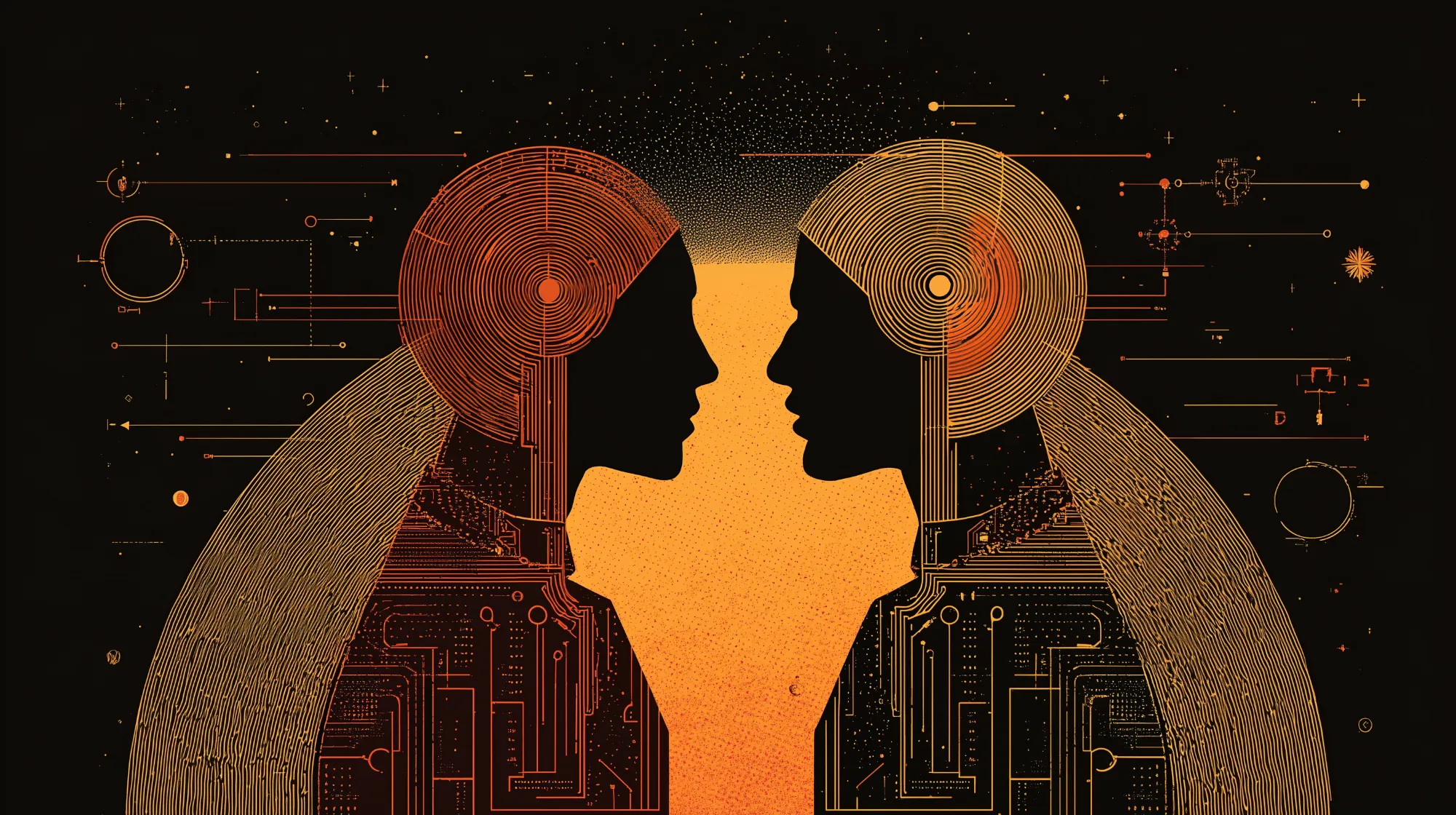
A sci-fi novel by Chloe Gong, who was born in Shanghai, brought up in New Zealand, attended the University of Pennsylvania, and now lives in New York. Also 26 years old and obsessed with Shakespeare, in this case Anthony and Cleopatra, while exploring the art of jumping between bodies, games, and human motivations.
This book is part one of a series, so I’m not sure how it will end, but Immortal Longings is yet another example of the where idle thought can lead you!