

Fifth wheels
Fifth Wheels: Carriages and Cars
O
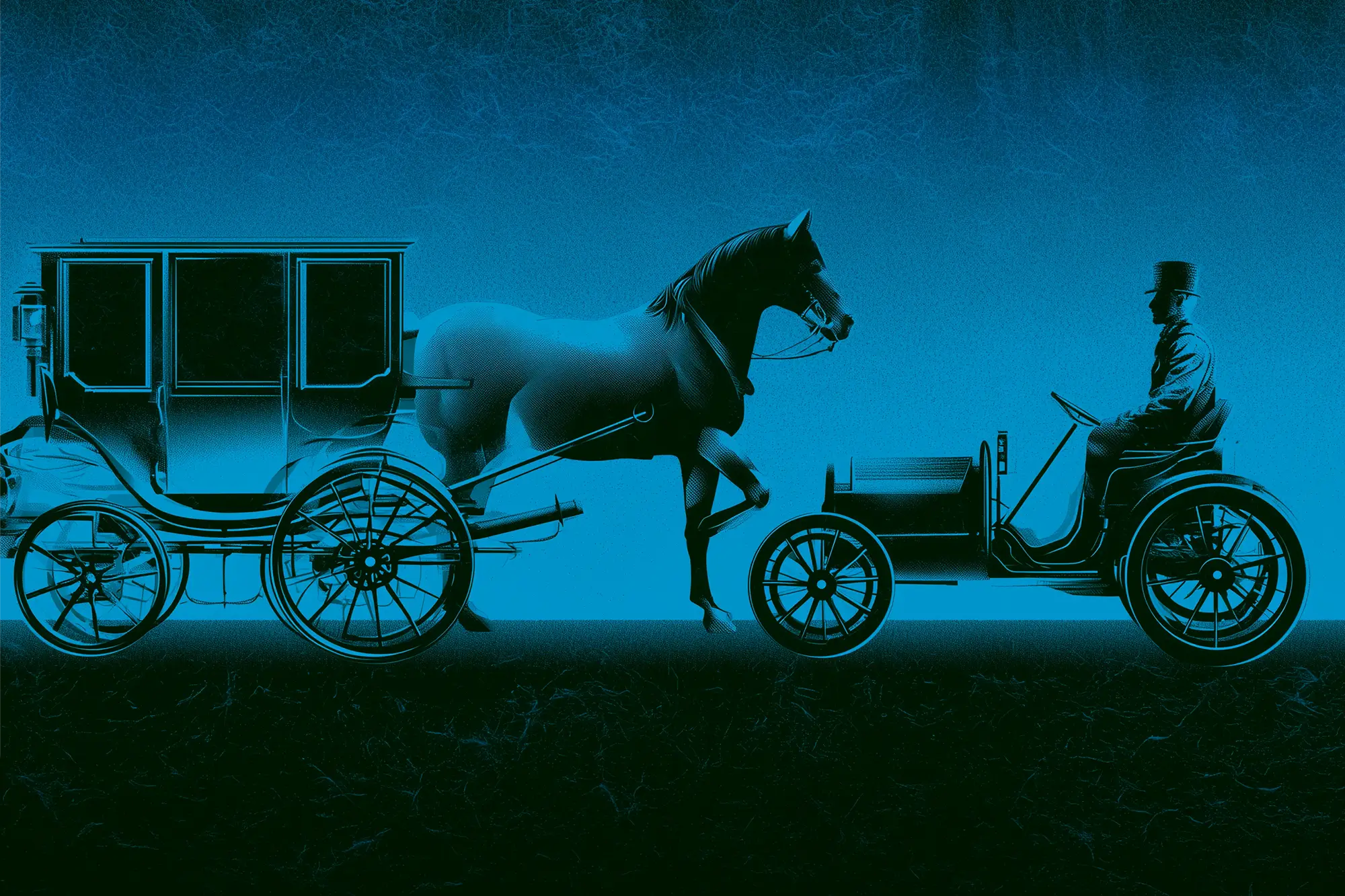
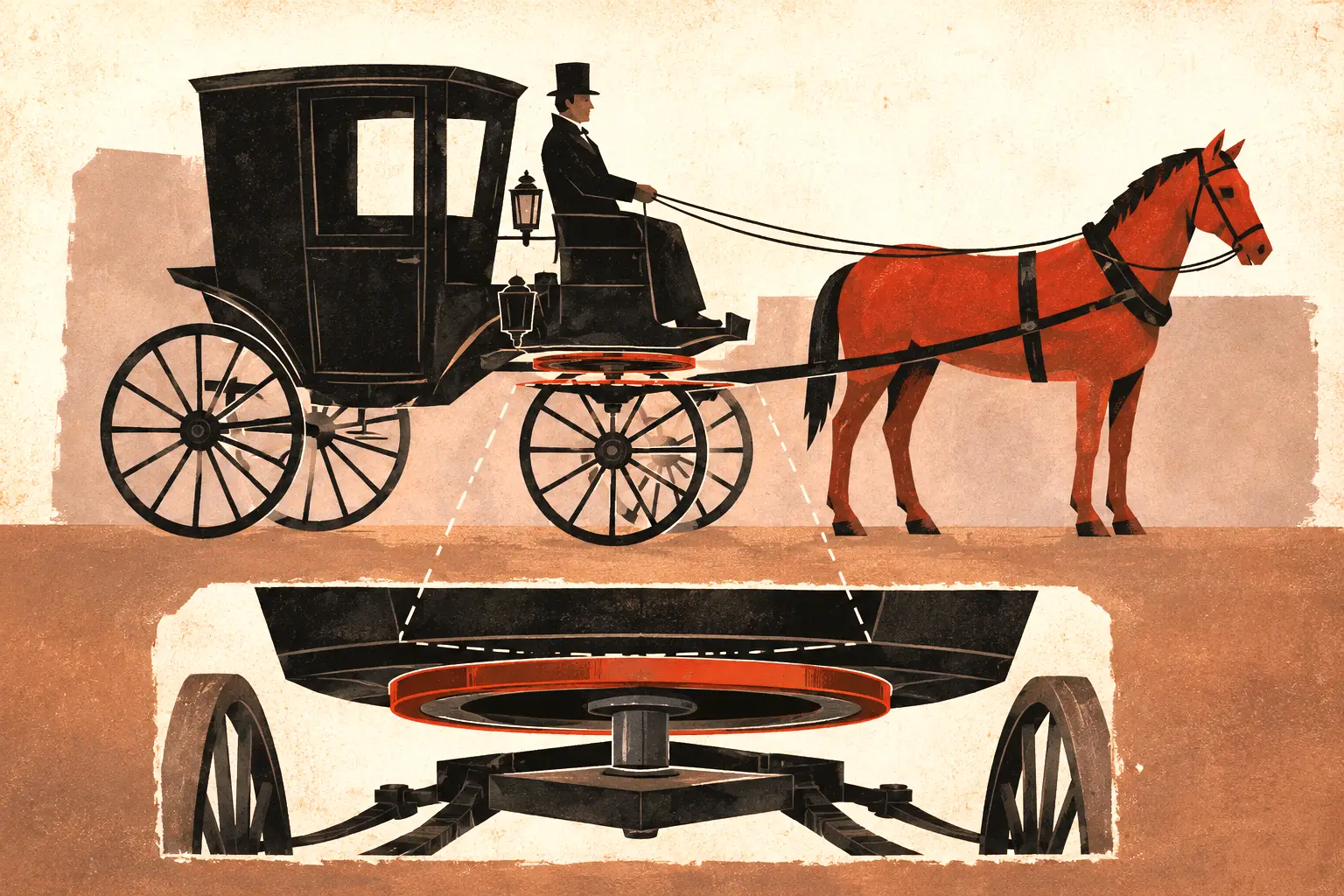
riginally fifth wheels were used with horse drawn carriages. First occurring in the 1800’s, the term “fifth wheel” referred to a literal, horizontal fifth wheel, which allowed the carriages to turn corners. Because this extra circular device was added on top of the original four wheels, it became universally known as the “fifth wheel.”
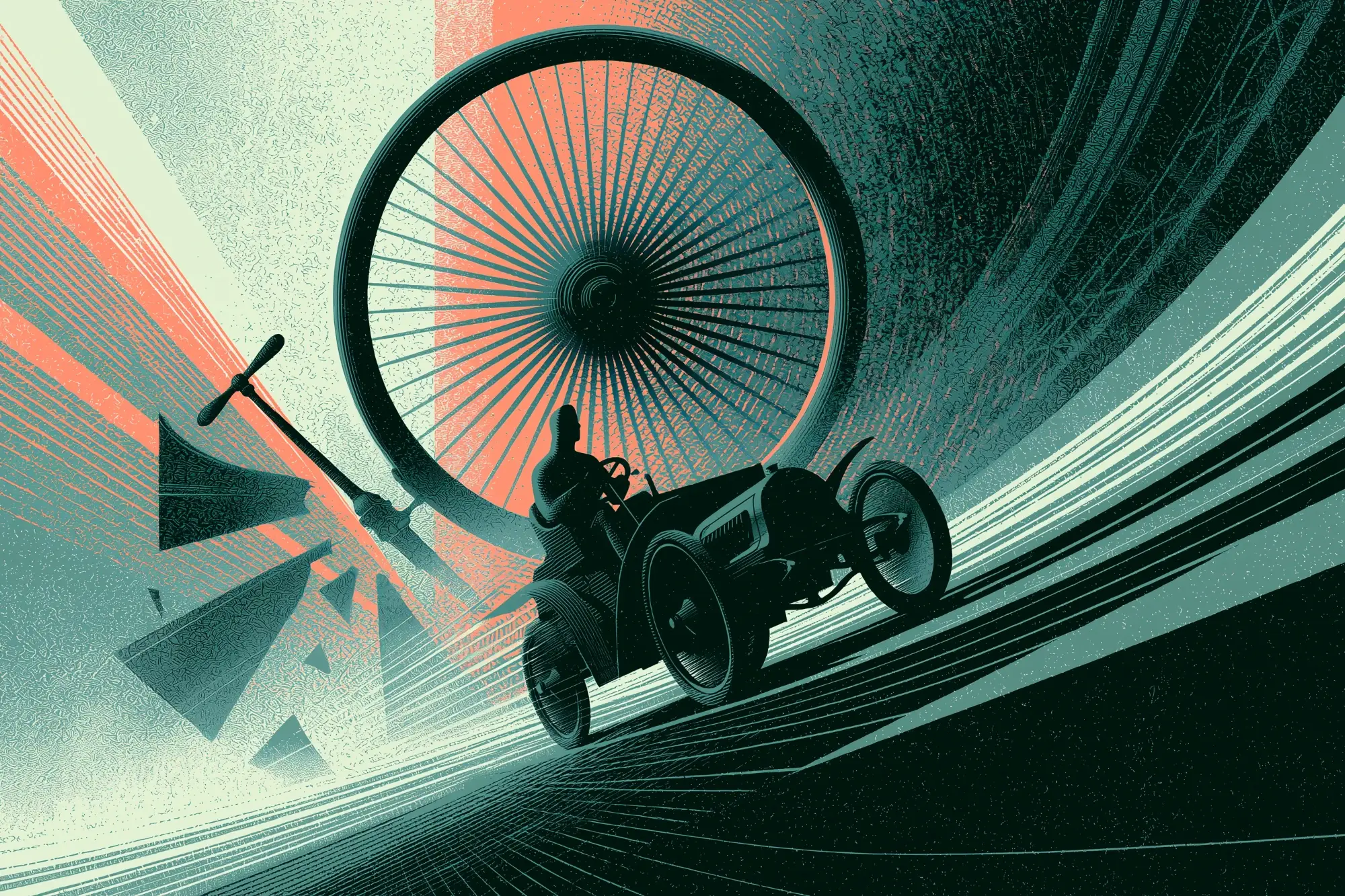
Next, the steering wheel of a car was sometime known as the fifth wheel. The first known steering wheel in automobiles appeared in 1894. French engineer Alfred Vacheron added a steering fifth wheel onto his four-horsepower 1893 Panhard to give him an edge in the Paris-Rouen race.
Another use of the term fifth wheel in automobiles was to designate the spare tire at the rear of the car as the fifth wheel. In an idea dating back to the 1930’s, this fifth wheel was used to assist in parallel parking. A specialized hydraulic mount that lowered the rear-mounted fifth wheel perpendicularly to the pavement, making parallel parking somewhat less difficult. The concept had its downsides, e.g., excessive weight, elaborate trunk mechanics, and cost, so in the 1950’s it was ultimately abandoned.
Then came the fifth wheel as a true spare tire. It also had limitations and today has been replaced with temporary inflation kits or run-flat tires.