

Fifth Wheels
Fifth Wheels: Relationships
I
n literature, philosophy, or ordinary speech, a “fifth wheel” refers to something superfluous, unneeded, or out of place in various situations. This expression is a direct reference to how cars and carriages only need four wheels to operate, making a fifth wheel completely redundant.
In the 1800s
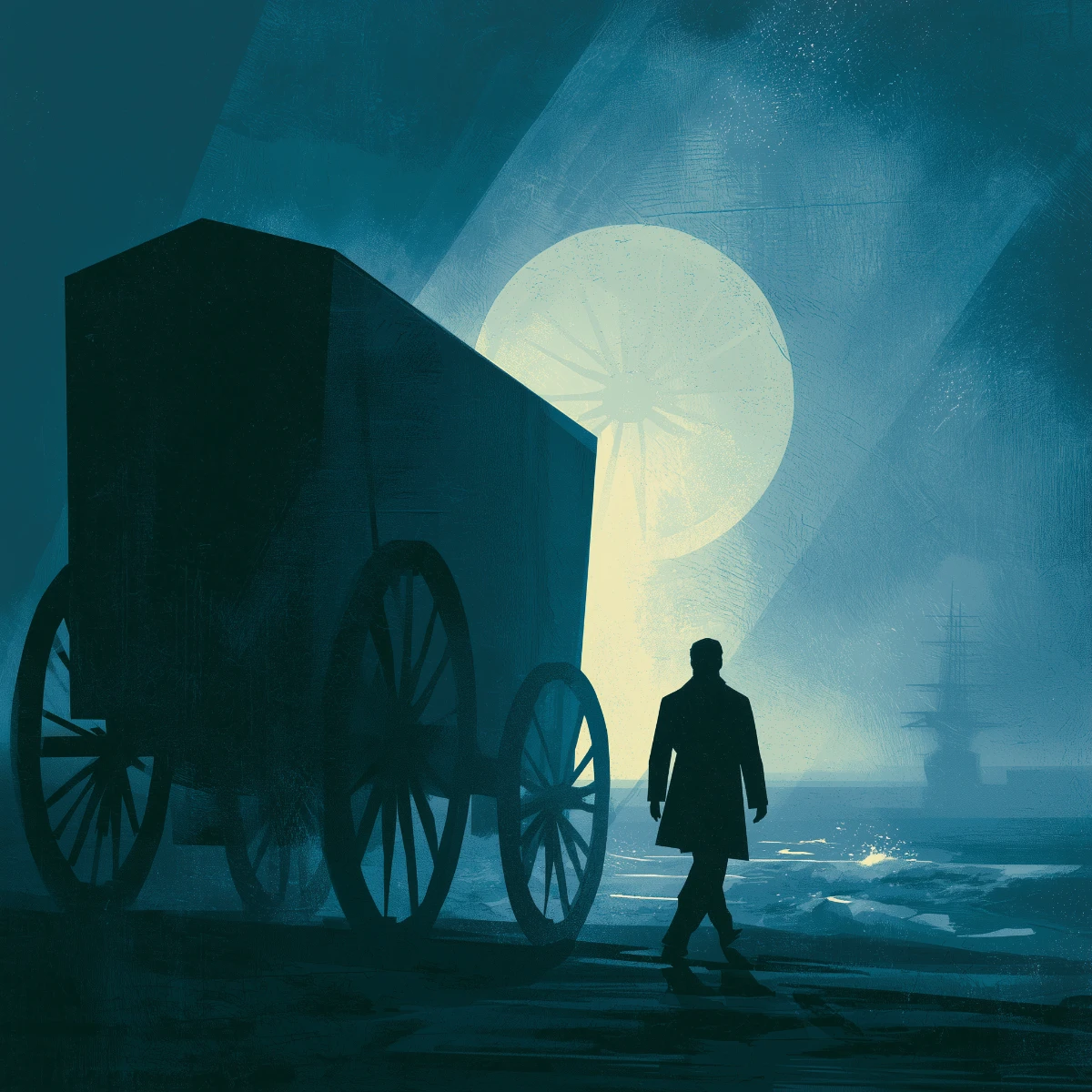
“A soul’s a sort of a fifth wheel to a wagon.”
This cynical observation is delivered by the prophet Elijah to Ishmael, suggesting that a soul is basically useless and unnecessary for a man just trying to get by in life.
Herman Melville, Moby-Dick (1851)
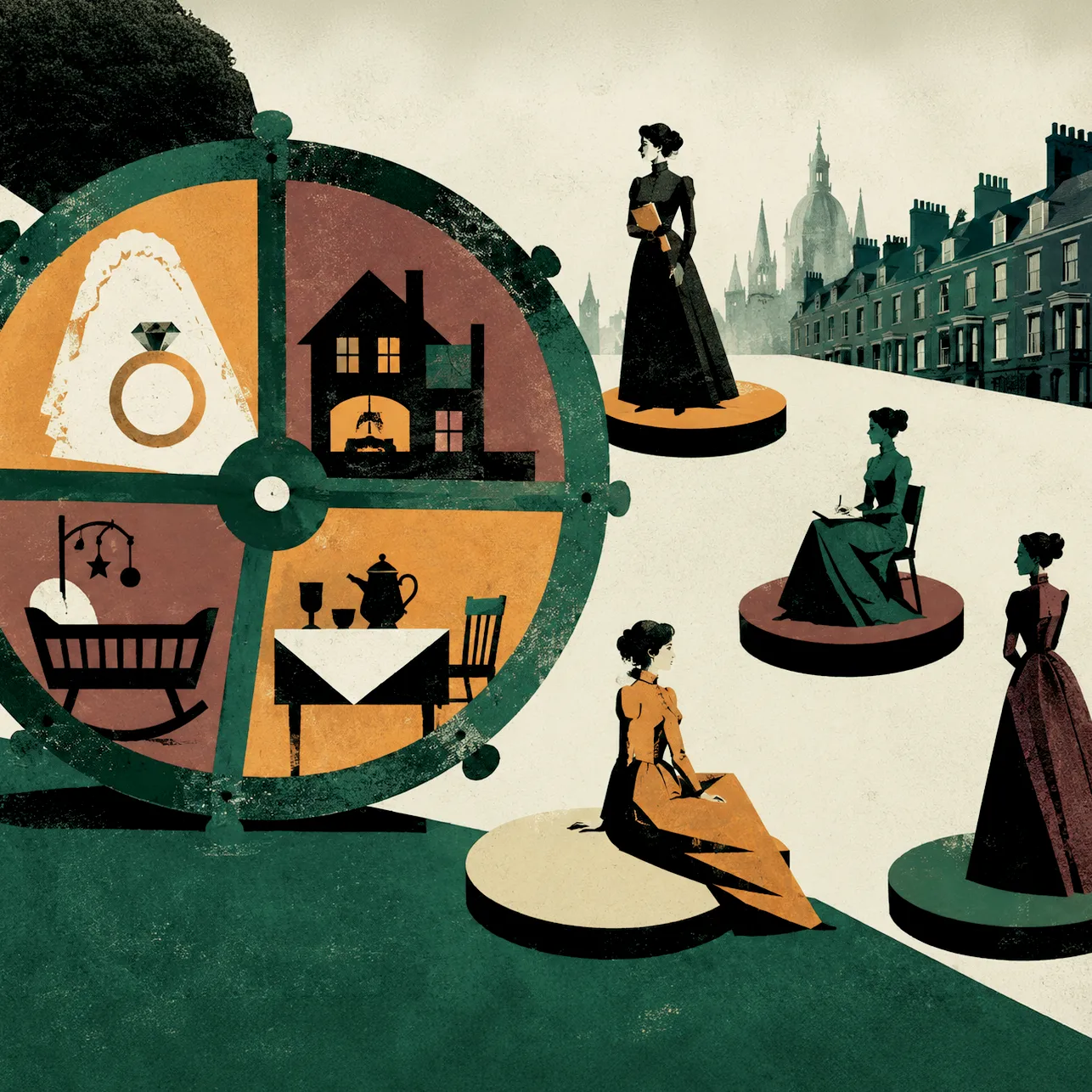
Odd Women are characters in a novel tackling the late-Victorian concept of “superfluous women”—unmarried women who had no defined place in a society that valued women only as wives and mothers. The protagonists live with the structural reality of being societal fifth wheels.
George Gissing, The Odd Women (1893)
In the 1900s

On the Road in which the steering wheel is the ultimate vessel of freedom. It is the tether connecting the roaming narrator to the vastness of the American landscape.
Jack Kerouac, On the Road, (1951)

“Intelligence is not necessarily a good thing, something to value or cultivate. It’s more like a fifth wheel – necessary or desirable when things break down.”
Susan Sontag, As Consciousness Is Harnessed to Flesh: Journals and Notebooks, 1964-1980
In the 2000s
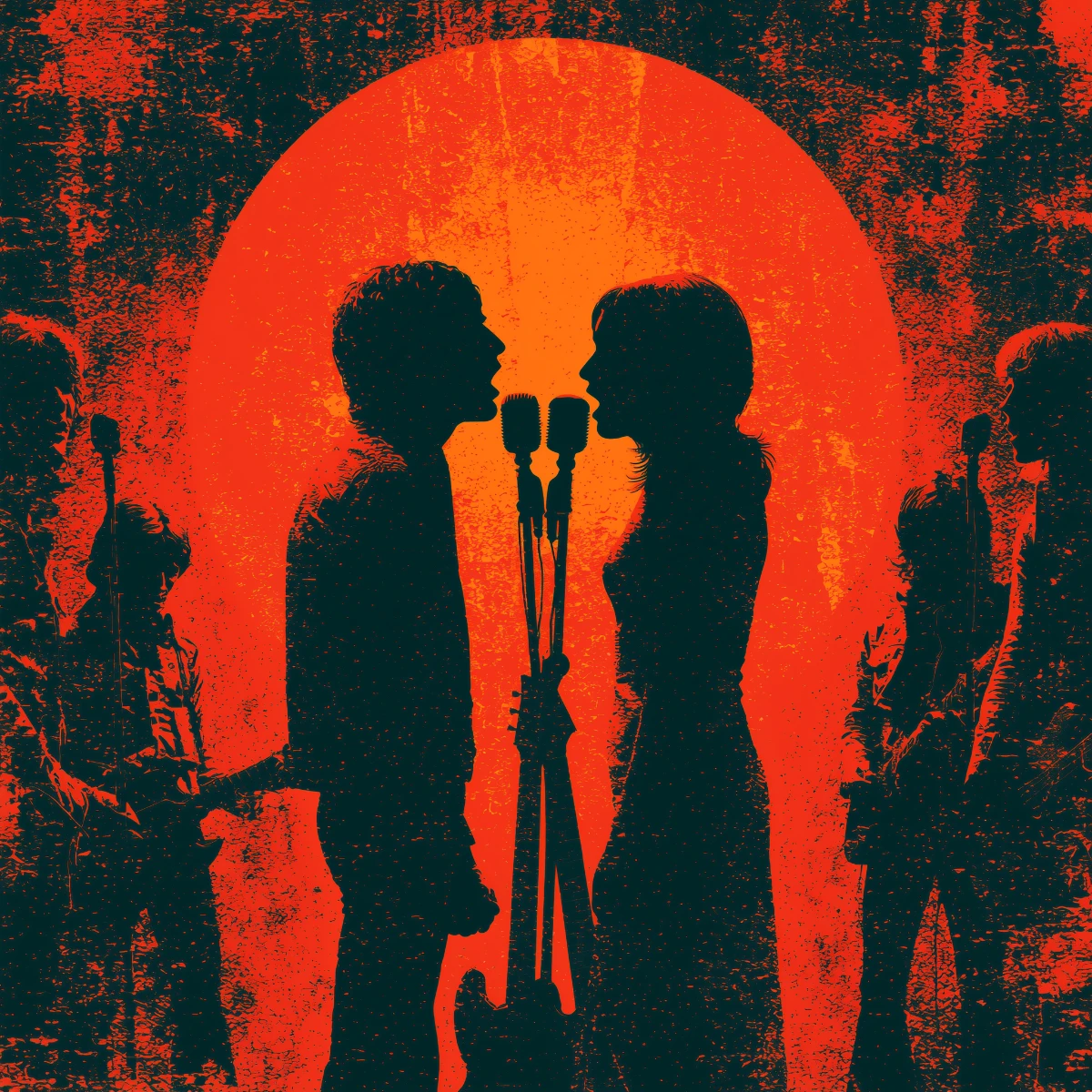
Daisy Jones & The Six focus on bands and creative partnerships in which certain members inevitably feel like extraneous wheels, functioning on the periphery while the central, toxic romantic and creative dynamic consumes the spotlight.
Taylor Jenkins Reid, Daisy Jones & The Six (2019)

There once was a wheel some called Perfect.
Front, rear, or steering, still perfect.
Sometimes a Fifth,
Perfect’s not miffed,
So like a boring Pluperfect. (Yawn)
Front, rear, or steering, still perfect.
Sometimes a Fifth,
Perfect’s not miffed,
So like a boring Pluperfect. (Yawn)
Limerick By Olive (2026)