

’ve been obsessing about the oboe, which is not something I would have predicted for myself and would prefer not to explain to anyone in person.
The disillusion tends to arrive around February, when I’m standing in my kitchen, desperately looking for my phone while holding my phone. This is usually when I start to wonder why the version of myself I’m meant to become wakes up earlier than is strictly necessary. This is also when I realise my resolutions need whittling down.
Take this year, for example. On the first day, I decided my goal was to be in sync or as yogis would call this: in alignment. Which sounds soothing until you ask what exactly you’re meant to align to, at which point they adjust their leggings and stop making eye contact.
Realising I had no barometer is how I started thinking about orchestras. Specifically, that moment before anything begins, when everyone waits. The pause, usually peppered by light coughing or a chair leg screeching. Occasionally by someone unwrapping a sweet they absolutely should have unwrapped earlier (I now realise this may be a cough drop). And then one instrument gives a note and everyone else adjusts. No discussion. No checking in. Just immediate agreement.
How exactly did the oboe get that job? This is the kind of motivational book I would absolutely waste my money on. Was there an application process? A quiet coup? Does the saxophone ever lie awake at night thinking about this? The saxophone has range and personality, and yet no one turns to it for guidance. How did the oboe pull this off?
The oboe looks like something you’d find behind a radiator. Thin. Reedy. Slightly damp. And yet it’s quietly in charge. I imagine the oboist backstage, warming up alone, making sounds that resemble a goose being gently stepped on. No one asks how they are. No one interrupts them just to chat. And yet when the moment comes, everyone turns. One note. Authority without popularity. Power without applause. Maybe I’m wrong and oboists have loads of friends. I don’t know, but I hope not. That would undermine everything.
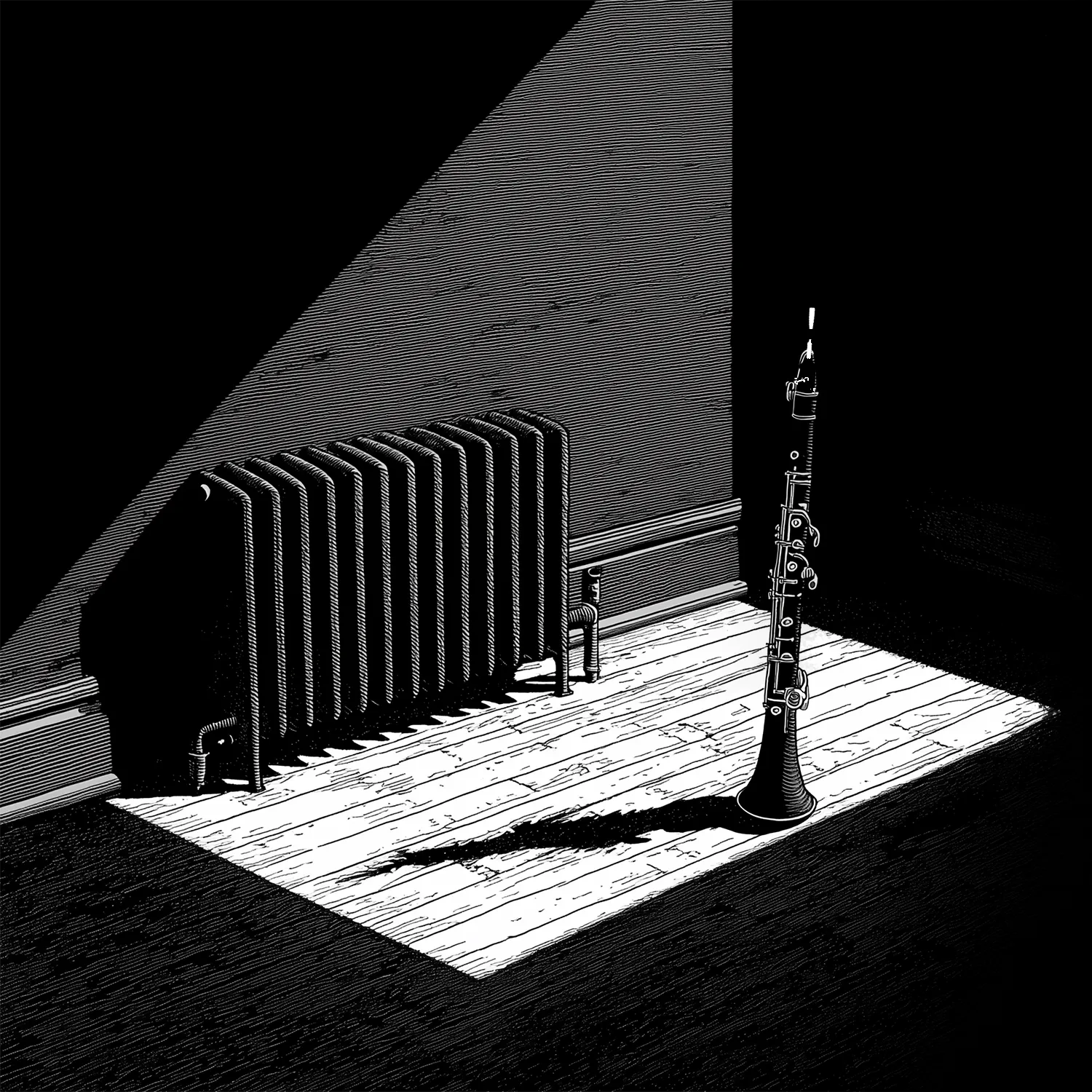
This is why, by February 2026, I had decided to become an oboe – the tuning fork of my surroundings. It may not be the coolest, and it occasionally makes alarming noises, but it’s quietly confident and, judging by crossword frequency, indispensable.
This feels achievable because I am not, by nature, adaptable. I do not pivot well. I am deeply inflexible in ways I prefer to call “consistent.” Once I’ve settled into a tone, I like to stay there. I’m not interested in constant recalibration, emotional or otherwise. Frankly, it makes my jaw hurt.
This is why the oboe job appeals to me. You don’t adjust. You arrive. You offer one clear note and everyone else does the work. It’s not control; it’s clarity. And it feels like a role best filled by someone who lacks range but makes up for it with stamina and a strong sense of timing.
I believe I would be very good at this. I would not ask how everyone was feeling about the pitch. I would play the note, stand there slightly tense, and let the room sort itself out. If someone struggled, I would never question myself but be quick to assume they needed practice.
This year, I don’t want to stand out. I don’t want a solo. I simply want to be an oboe.