




Olive masthead
perfect fifth in music
Edited by judy green
issue no. 13
Contents – March 2026
Stylized mid-century modern illustration of a platinum-haired woman with a short buzz cut, wearing a black turtleneck and dark sunglasses, seated at a desk against an orange and teal background. Behind her is an oversized cowboy boot with a visible spur, a vintage rotary telephone, and several hanging bells, all arranged in a retro composition with circular halftone patterns.
bstract illustration of atomic or planetary forms with glowing orange and blue spheres connected by sweeping orbital lines on a dark background.
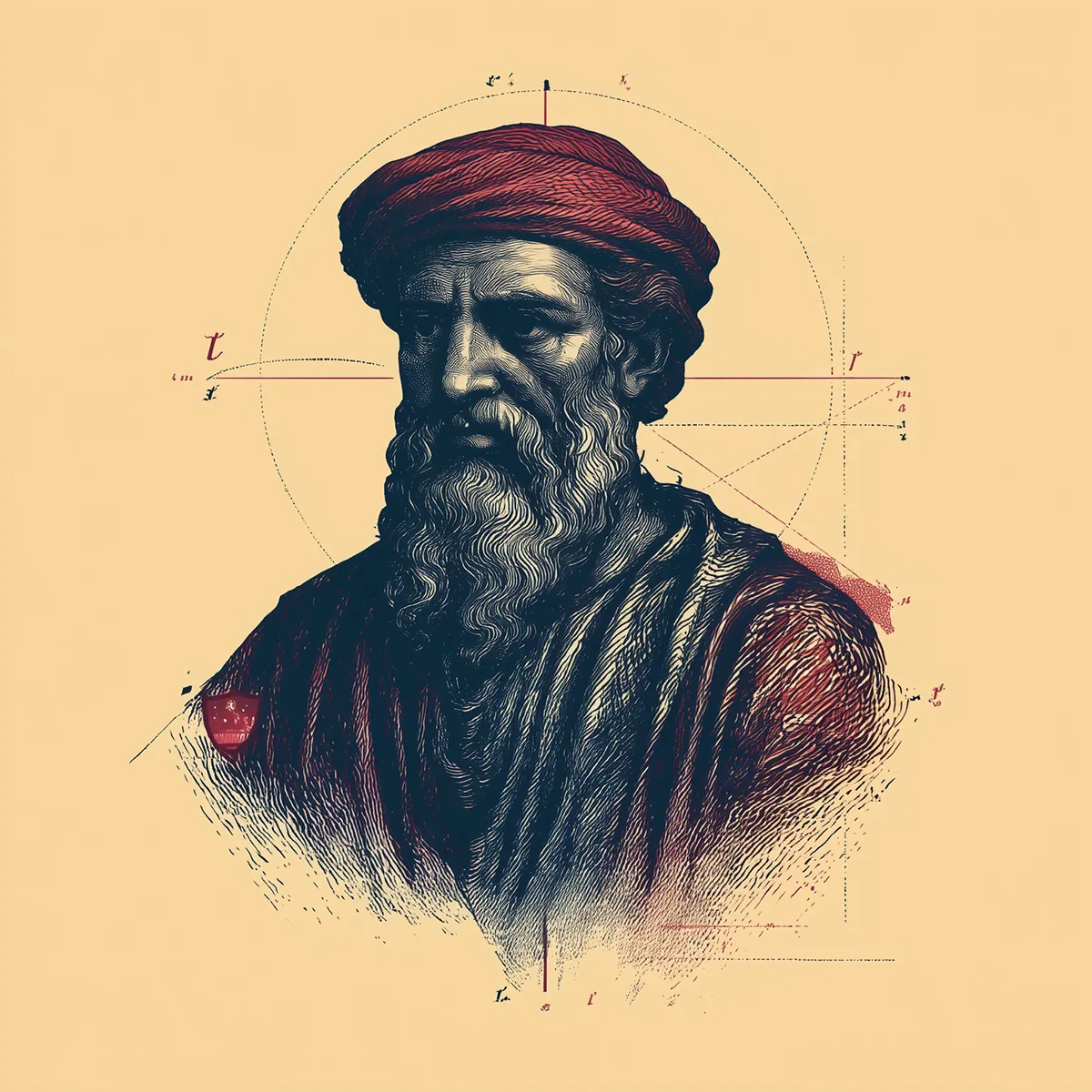
Engraved-style illustration of Pythagoras wearing a red head covering, shown in profile with geometric lines and mathematical diagram markings surrounding him on a beige background.
Retro-style illustration of a tall glass filled with ice and green olives on a red straw, set against a bold yellow and teal background with leafy branches behind it.
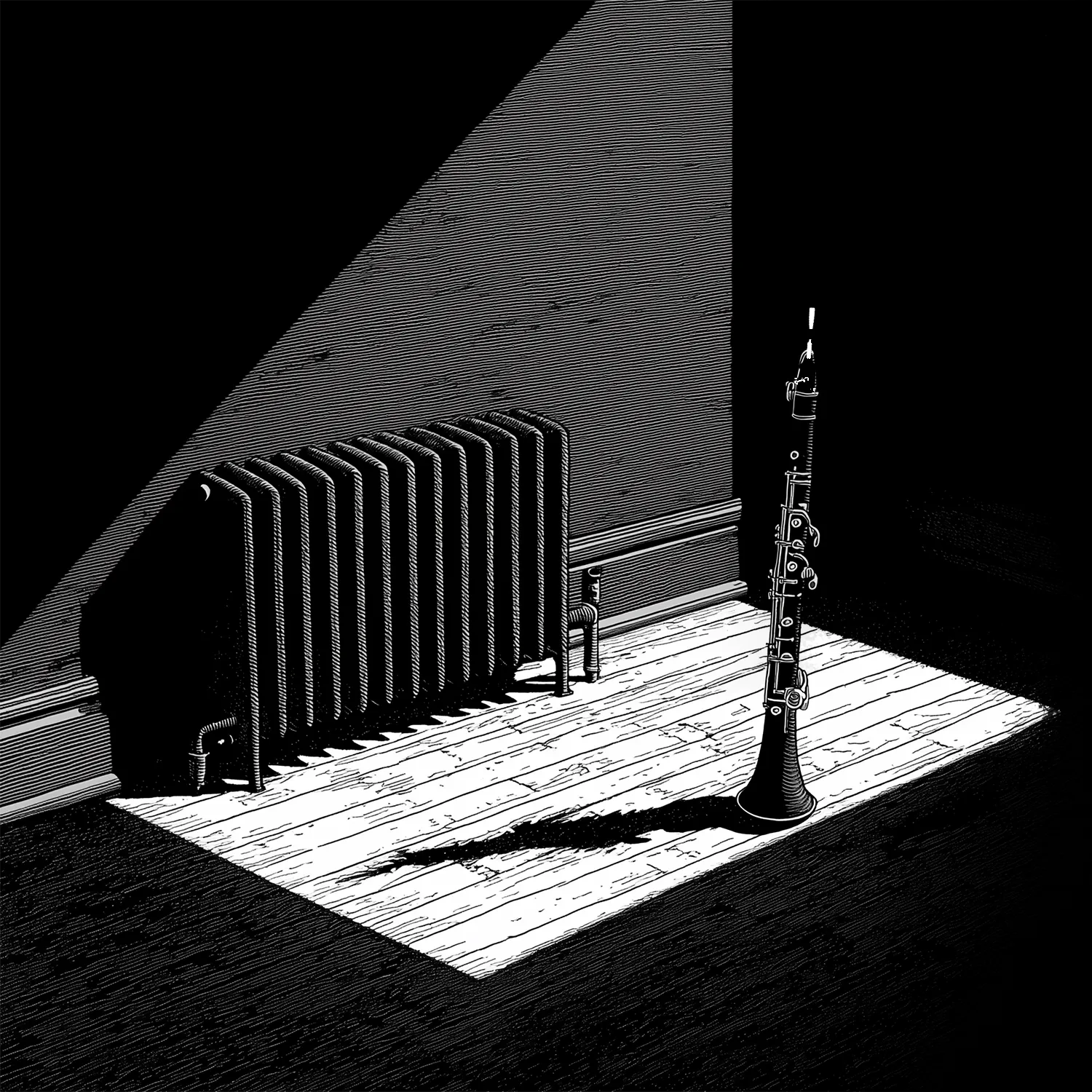
Black-and-white illustration of a clarinet standing upright on a wooden floor beside a cast-iron radiator, illuminated by a sharp beam of light that casts long shadows across the room.
Editorial
Stylized mid-century modern illustration of a platinum-haired woman with a short buzz cut, wearing a black turtleneck and dark sunglasses, seated at a desk against an orange and teal background. Behind her is an oversized cowboy boot with a visible spur, a vintage rotary telephone, and several hanging bells, all arranged in a retro composition with circular halftone patterns.
Letter from the Editor
L

ong before I knew anything about Pythagorean theory, ratios, acoustic law, or perfect fifths, I was exposed to and influenced by them. As a child, I frequently heard the term “out of proportion.” and sometime later I learned about Pythagoras and the medieval educational structures called Trivium and Quadrivium.

By the time I went to college, my course was set to explore the relationships of math, music, and symbols, focusing on non-representational symbols in various disciplines, but primarily in philosophy and music.
Perfect Fifths
Expert Opinion
Engraved-style illustration of Pythagoras wearing a red head covering, shown in profile with geometric lines and mathematical diagram markings surrounding him on a beige background.
Mathematical Purity
Pythagoras is credited with uncovering the secret that a perfect fifth is a simple 3:2 ratio, unlocking the structure of musical scales. His discovery begins and develops the notion of Mathematical Purity in which perfect intervals are also defined as those natural intervals whose inversions are also natural, where natural, as opposed to altered, designates those intervals between. (Pythagoras – 550 BCE)
Vintage engraved illustration of Boethius and Guido d’Arezzo side by side, depicted as classical scholars with detailed facial features against a teal background.
Music Theory
The concept of perfect fifths in music dates to the medieval era when these intervals were considered sacred and structurally perfect. This definition adds religious and structural logic to the Pythagorean concept, which was built on mathematical purity.
(Boethius, Guido d’Arezzo, and other medieval music theorists)
Perfect Fifths
Why We Like Perfect Fifths
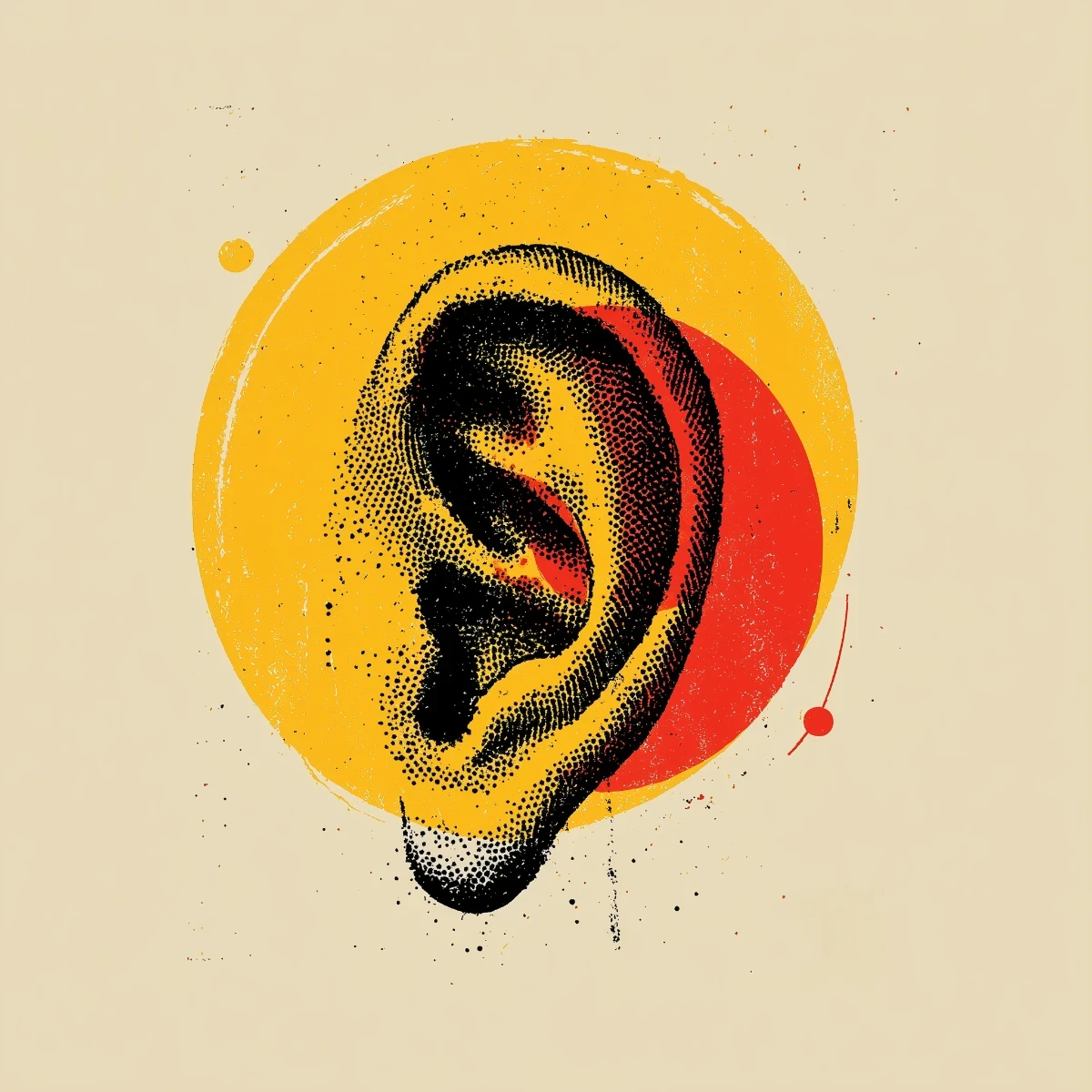
Stylized illustration of a human ear in black and red halftone shading, set against overlapping yellow and red circular shapes on a beige background.
Easy to hear:
The perfect fifth creates a very stable, pleasing, and consonant sound, making it feel “complete” or “perfect” to the ear. A natural calming and balancing effect that induces a relaxed meditation state.
Illustration of a balance scale centered in front of a large glowing sun, with a tree growing from the base of the scale against a red background.
Metaphorical:
A metaphor for balance, divine order, and the intersection of the physical and the spiritual.
Cinquains
Cinquains on the Perfect Fifth
Stylized orange and black abstract illustration featuring geometric shapes and layered textures forming a fragmented face and interior objects against a dark background.
Theognetus the Thessalian

(“in the style of”)

Fifth
Clear law
Measured between friends,
Too wide to merge, too close to break—
Order.

Illustration of a woman in profile wearing a dark patterned veil, surrounded by a radiant golden halo and dotted light against a warm yellow background.
Hildegard von Bingen

(“in the style of”)

Fifth
Luminous, vowed
Breathing, binding, blessing
Freen fire of order praise
Amen

Friends of Judy
The Imperfect Third: Adjust Accordingly
By Brenda
I

’ve been obsessing about the oboe, which is not something I would have predicted for myself and would prefer not to explain to anyone in person.

Every January, like clockwork, the new year brings a fresh wave of theoretically achievable resolutions. There’s a constant suggestion, subtle but relentless, that we should all be striving to become more: more disciplined, more aspirational, better versions of ourselves. I begin the year full of genuine hope that I will meet this goal.

The disillusion tends to arrive around February, when I’m standing in my kitchen, desperately looking for my phone while holding my phone. This is usually when I start to wonder why the version of myself I’m meant to become wakes up earlier than is strictly necessary. This is also when I realise my resolutions need whittling down.

Olive
issue no. 13